


Scent Education
EDP vs EDT: What Fragrance Concentration Really Means
Concentration isn't a ranking system. It's about how a fragrance behaves on your skin.
Concentration gets treated like a ranking system. People talk about "upgrading" to Extrait de Parfum like it's a promotion, and Eau de Toilette gets filed away as the entry-level option you graduate out of. None of that holds up once you understand what concentration is doing.
It's not a quality tier. It's a dial that changes how present a fragrance is on your skin, and different situations call for different settings on that dial.
The Basics
What Concentration Actually Means
Every fragrance is a mix of perfume oil and a carrier, usually alcohol and water. Concentration refers to what percentage of that mix is oil.
More oil affects how strong a fragrance reads on your skin and how long it takes for the scent to fully evaporate. That's it. It says nothing about the quality of the composition, the skill of the perfumer, or whether the formula is "better."
05–15% Oil
Eau de Toilette
Eau de Toilette sits on the lighter end. With less oil in the mix, it tends to sit closer to the skin and fade faster, usually somewhere in the 3-to-5-hour range, though the exact number depends heavily on the composition and your own skin chemistry.
That lighter presence isn't a downside. It's the whole point. An EDT gives you a fragrance that's there without demanding constant attention, easy to layer and easy to reapply without ever feeling too much.
For hot weather, offices, or anyone who wants a scent that reads as part of them rather than an announcement, this concentration does exactly what it's built to do.
15–25% Oil
Eau de Parfum
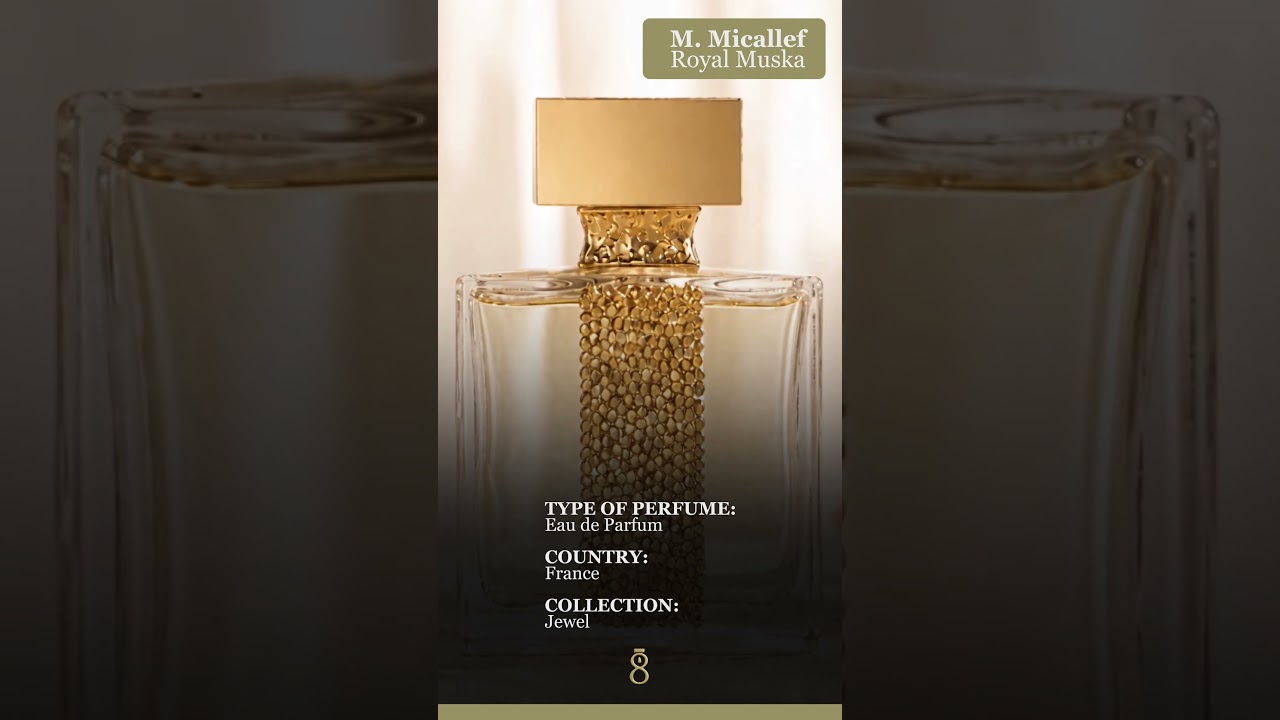
Eau de Parfum sits in the middle, and it's become the default concentration for a lot of niche houses for a reason: it balances presence and longevity without asking too much of either.
Most EDPs last somewhere in the 6-to-8-hour range, sometimes longer depending on the notes involved. Heavier materials like amber, oud and vanilla tend to hold longer than citrus or light florals, regardless of concentration.
An EDP gives you enough projection to be noticed without needing to reapply throughout the day, which is probably why it's the concentration most people reach for as a daily fragrance.
25–40% Oil
Extrait de Parfum / Parfum
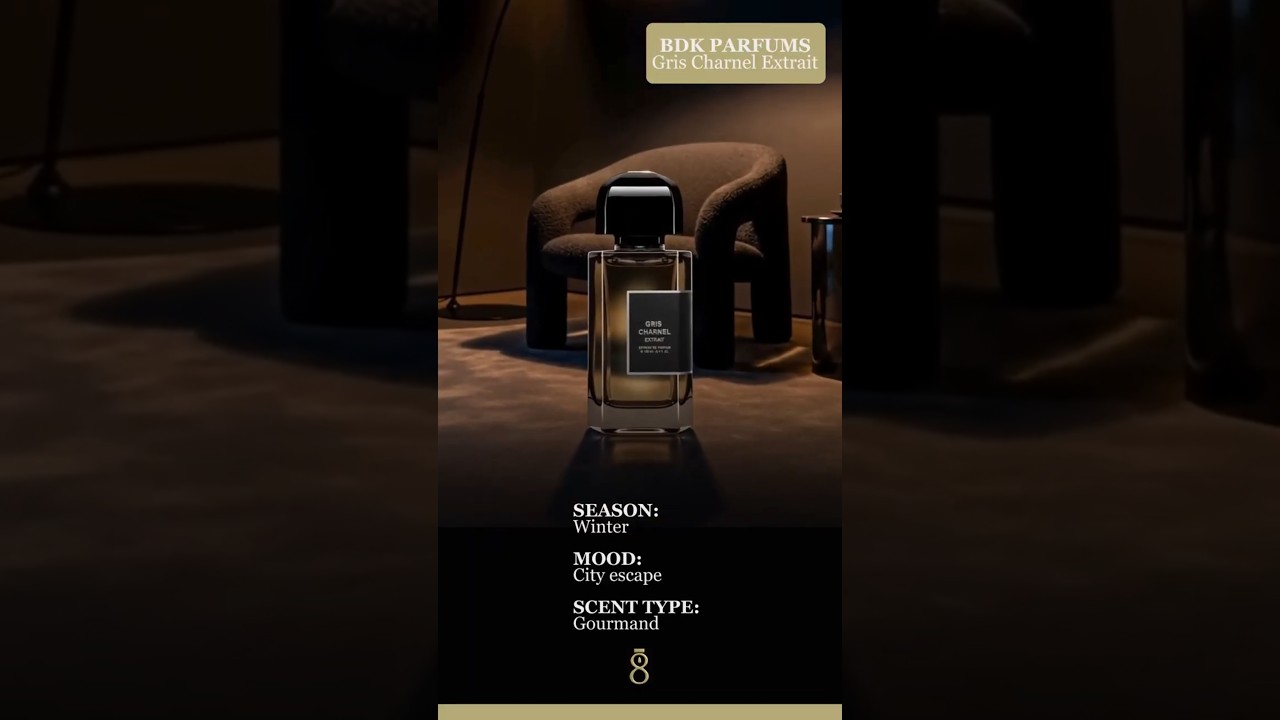
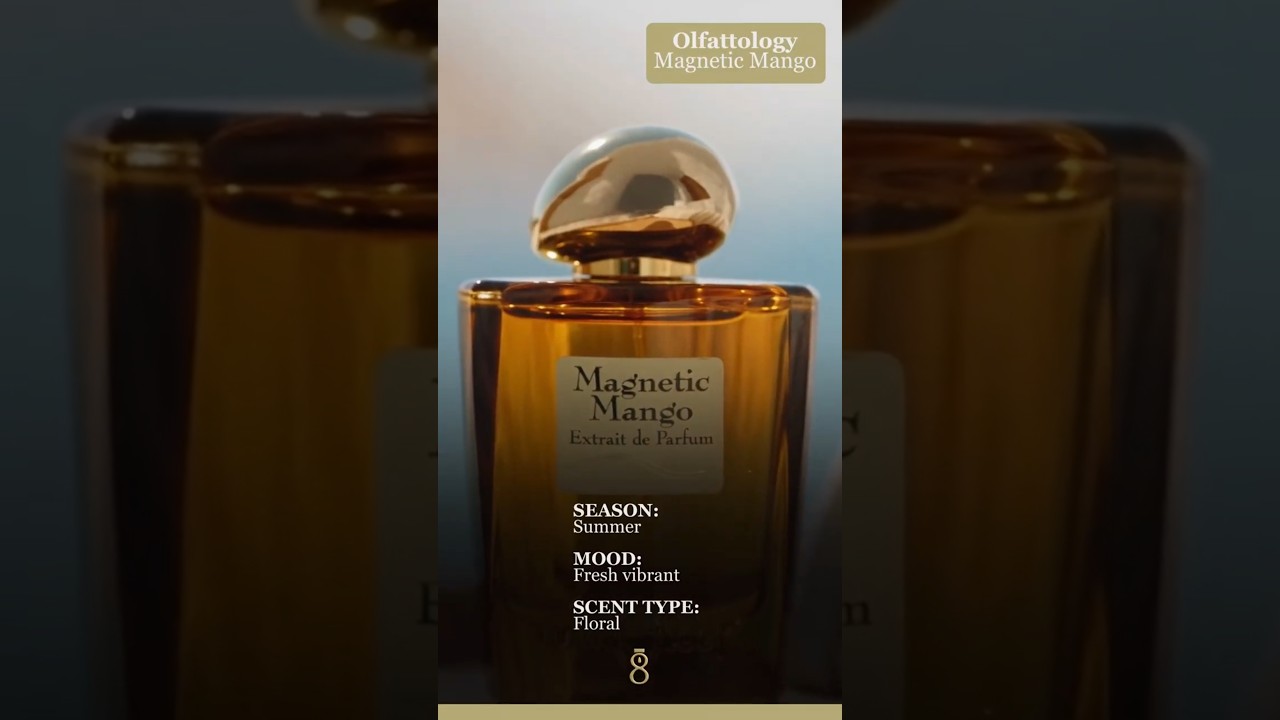
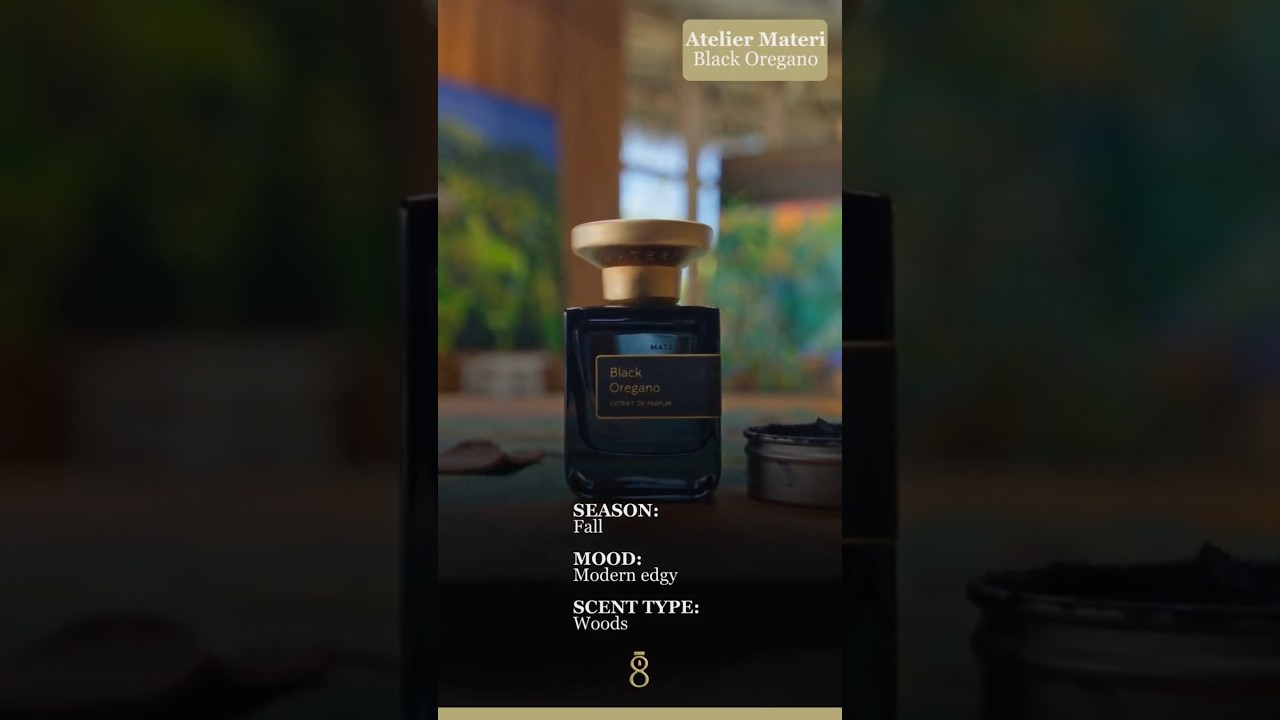
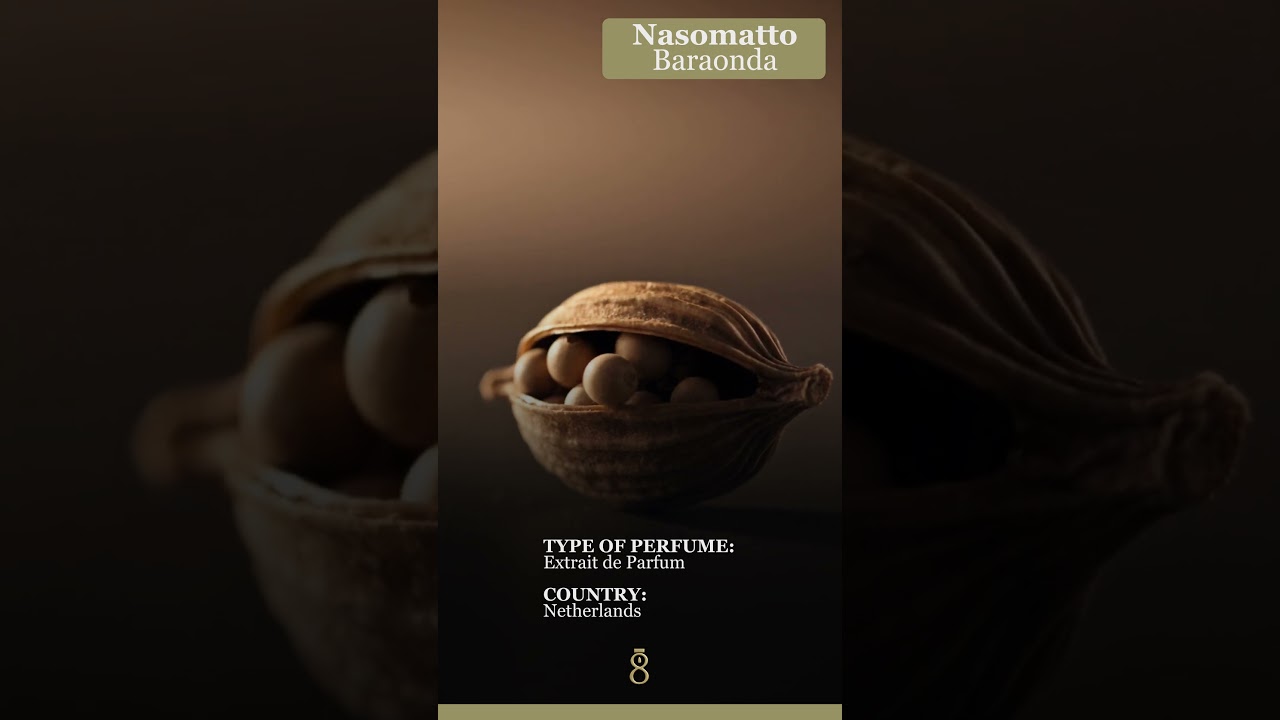
Extrait de Parfum, sometimes labelled simply Parfum, carries the highest percentage of oil. That translates to real staying power, often 12 hours or more, and a fragrance that tends to sit closer to the skin than you'd expect given how long it lasts.
This surprises people. A lot of extraits are quieter in projection than an EDP of the same fragrance, because the higher oil concentration slows the rate of evaporation, which is also what's releasing scent into the air around you.
Extrait works best for anyone who wants a fragrance that becomes almost skin-like over the course of a day, intimate rather than loud, still there hours after you've stopped thinking about it.
Why Comparing Them Head-to-Head Misses the Point
None of these concentrations are trying to do the same job, so ranking them against each other is a bit like ranking a sprint against a marathon.
An EDT that fades in four hours isn't failing at being an extrait. It's succeeding at being exactly what it was built to be: light, easy, present without weight.
The same fragrance released across all three concentrations can genuinely smell different from one another, not just louder or quieter, because the oil-to-carrier ratio changes how the notes unfold over time.
Choosing Based on What You Actually Need
The better question isn't which concentration is superior. It's which one fits the day you're having.
A quick reapplication between meetings works fine with an EDT. A fragrance you want to last through a full workday without a touch-up leans EDP. Something you spray once before a long evening and don't think about again until you're home; that's where extrait earns its reputation.
None of these choices say anything about taste or budget. They're just different tools built for different lengths of time.










0 comments