


Fragrance Discovery
15 Floral Perfumes to Know
Fifteen floral fragrances that show just how wide, strange, and expressive the floral family can be.
Floral is the oldest language in perfumery, and the most misunderstood. Most people picture something soft, something safe. But the modern floral has teeth. It can be milky and strange, smoky and dark, fruity, and sharp. What follows is a look at the ingredients that built this family, and fifteen fragrances that prove it is anything but predictable.
Every floral fragrance draws from a small set of raw materials, each with its own personality. Understanding them changes how you read a bottle.
Jasmine is the backbone of modern perfumery. Extracted mainly from jasmine sambac and jasmine grandiflorum, it carries an indolic, almost animalic warmth beneath its sweetness, which is why it can smell floral one moment and skin-like the next. It rarely appears alone; it is the note that gives other florals depth.
Rose comes in two dominant forms: Bulgarian (damascena) and Moroccan or Turkish varieties. Bulgarian rose leans honeyed and slightly spiced; Moroccan rose is greener and more citrus-tinged. Rose is the most photographed note in perfumery, but the raw material itself is expensive and heavily blended with synthetics to stretch its cost.
Tuberose is the most divisive floral material that exists. Buttery, creamy and slightly rubbery, it can read as narcotic and glamorous or, in the wrong hands, overpowering. It is rarely used at full strength; most perfumers cut it with lighter florals to keep it wearable.
Orange Blossom and Neroli come from the same tree, Citrus aurantium, but are extracted differently. Orange blossom absolute is deep and honeyed; neroli, steam-distilled, is brighter and greener. Together they add a citrus lift that keeps heavier florals from feeling flat.
Ylang-Ylang brings a banana-like, custardy sweetness with a slightly rubbery edge, like tuberose but lighter. It is a staple of classic florals and shows up constantly in vintage-inspired compositions.
Violet and Iris (Orris) are two different materials that are often confused. Violet leaf smells green and slightly metallic; violet flower, usually recreated with ionones since natural violet extraction is nearly impossible, smells powdery and soft. Orris, extracted from iris root after years of aging, is one of the most expensive materials in perfumery, prized for its cool, suede-like powderiness.
Ambrette Seed smells musky and slightly fruity, closer to skin than flowers. It is often used as a natural musk substitute and shows up in modern florals that want a skin-like, intimate finish.
Muguet (Lily of the Valley) cannot be extracted from the real flower; every muguet note in perfumery is a synthetic reconstruction. It smells green, dewy, and slightly aquatic, and is one of the most recognizable clean floral accords in the industry.
Knowing these building blocks makes it easier to understand why two florals marketed the same way can smell nothing alike. What follows are fifteen ways these ingredients come together.
15 Floral Perfumes to Know
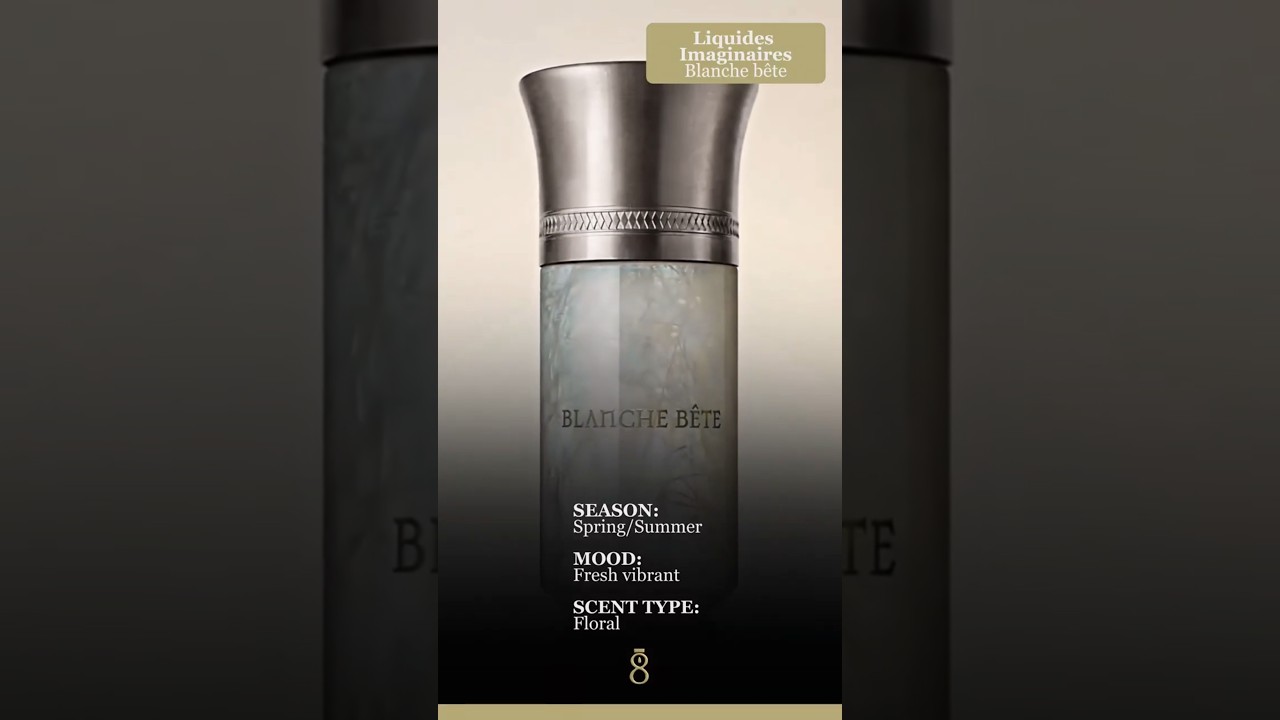
Floral · Liquides Imaginaires
Blanche Bête

A milk accord softens tuberose and jasmine into something closer to skin than flower, while tonka and cacao in the base keep the finish warm rather than sweet.
Top NotesAmbrette Seed, Milk Accord, White Flowers, Opaline Light
Heart NotesMystikal Jasmine, Vintage Tuberose Petals, Mahonial Incense
Base NotesTonka Cacao, Musky Vanilla
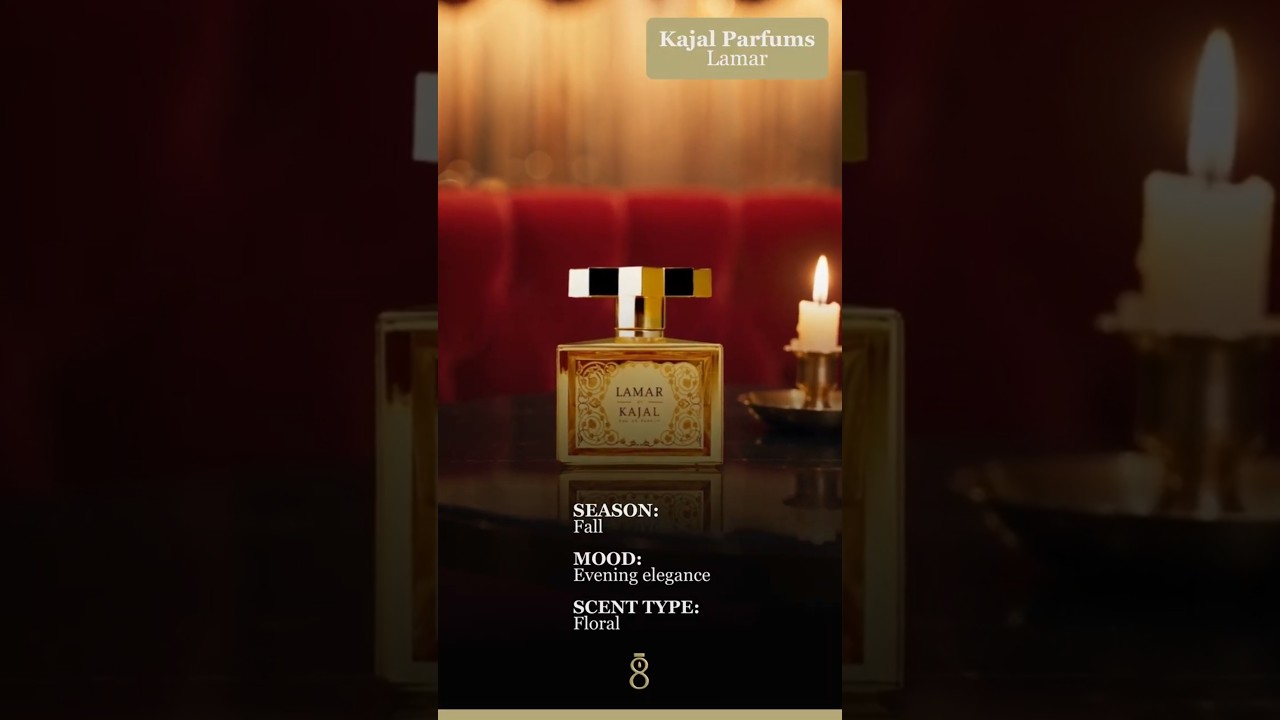
Floral · Kajal Parfums
Lamar

Two rose varieties sit side by side in the heart, framed by fruit up top and a cashmere wood base that keeps the whole composition soft rather than sharp.
Top NotesPineapple, Red Berries, Apple, Cardamom, Coriander
Heart NotesBulgarian Rose, Turkish Rose, Magnolia, Sambac Jasmine
Base NotesVanilla, Musk, Amber, Cashmere Wood, Cedar Wood
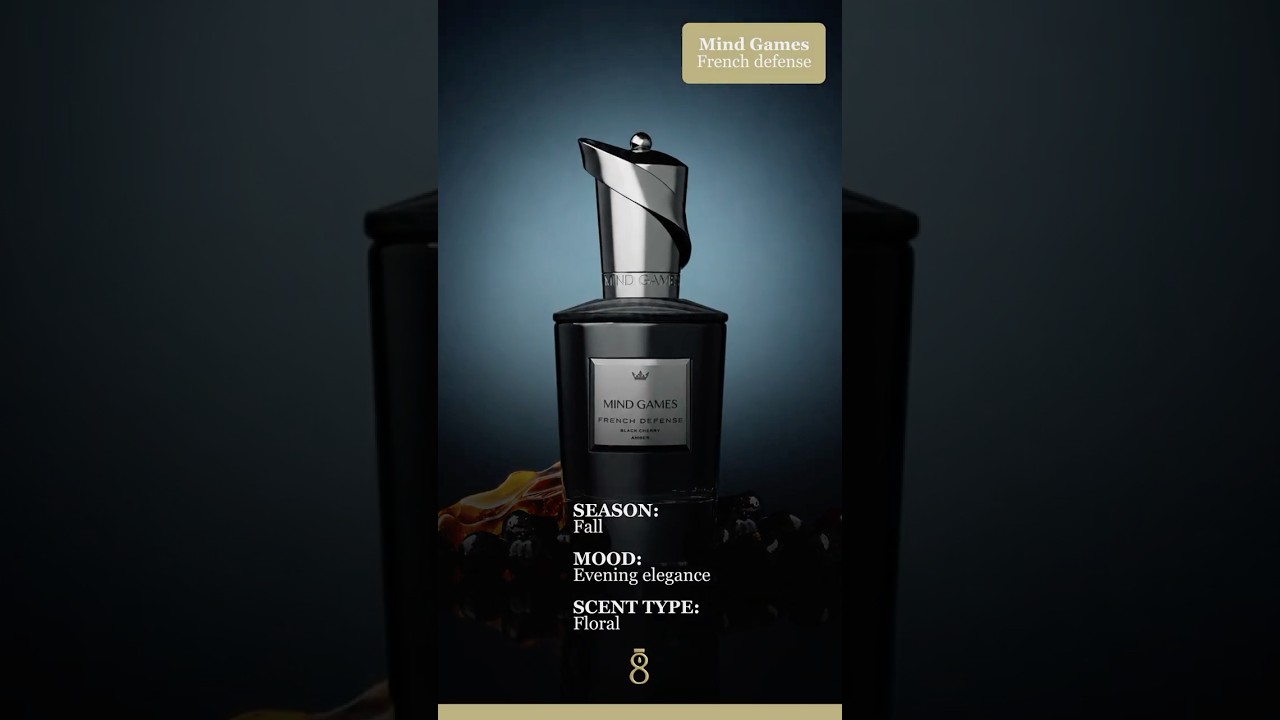
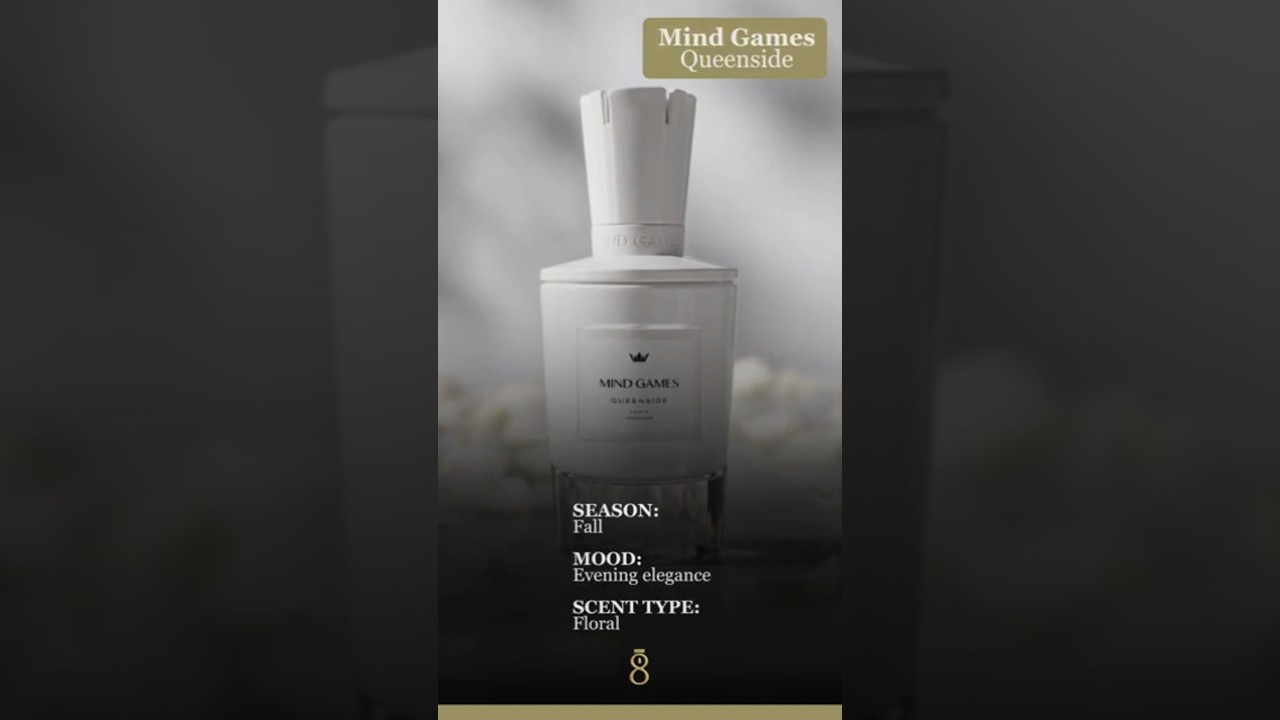
Floral · Mind Games
French Defense

Cherry and chamomile open cool, geranium and mimosa carry a green, powdery heart, and blonde wood closes it dry rather than sweet.
Top NotesCherry, Violet Leaves, Chamomile
Heart NotesGeranium Madagascar, Rose Absolute, Mimosa
Base NotesAmber, Cedarwood, Blonde Wood
Floral · Electimuss London
Imperium

A white floral heart of neroli, tuberose, rose, lily, and jasmine sits over an oud and patchouli base heavy enough to read as much woody as floral.
Top NotesBergamot, Coriander
Heart NotesNeroli, Tuberose, Rose, Lily, Jasmine
Base NotesAmber, Musk, Madagascan Vanilla, Guaiac Wood, Oud, Patchouli
Floral · Nishane
Hundred Silent Ways

Tuberose opens straight away rather than building slowly, gardenia and orris keep the middle powdery, and vetiver in the base pulls it back from sweetness.
Top NotesTuberose, Mandarin, Peach
Heart NotesWhite Jasmine, Gardenia, Orris
Base NotesVanilla, Sandalwood, Vetiver
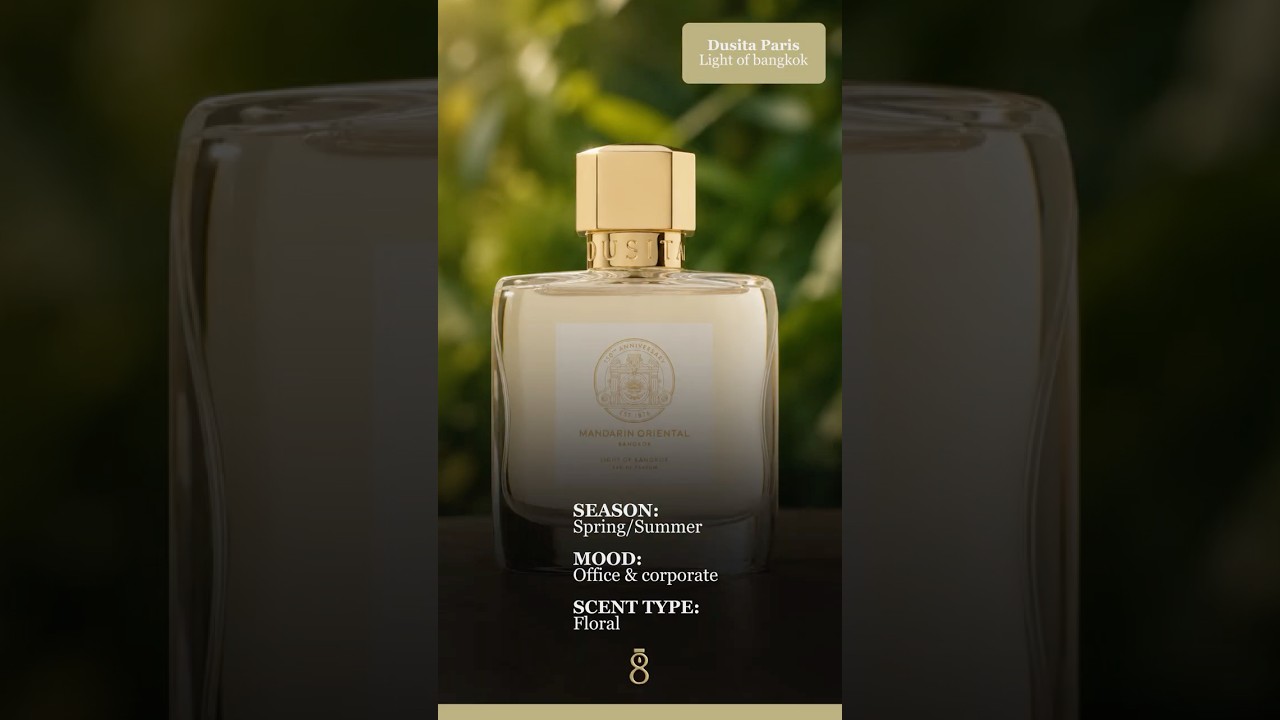
Floral · Dusita Paris
Le Pavillon d'Or

Mint and thyme give the opening an unexpected herbal edge before boronia and heliotrope soften into something closer to a floral incense.
Top NotesHoneysuckle, Mint, Thyme
Heart NotesBoronia, Fig Leaf, Heliotrope
Base NotesFrankincense, Oakwood, Sandalwood
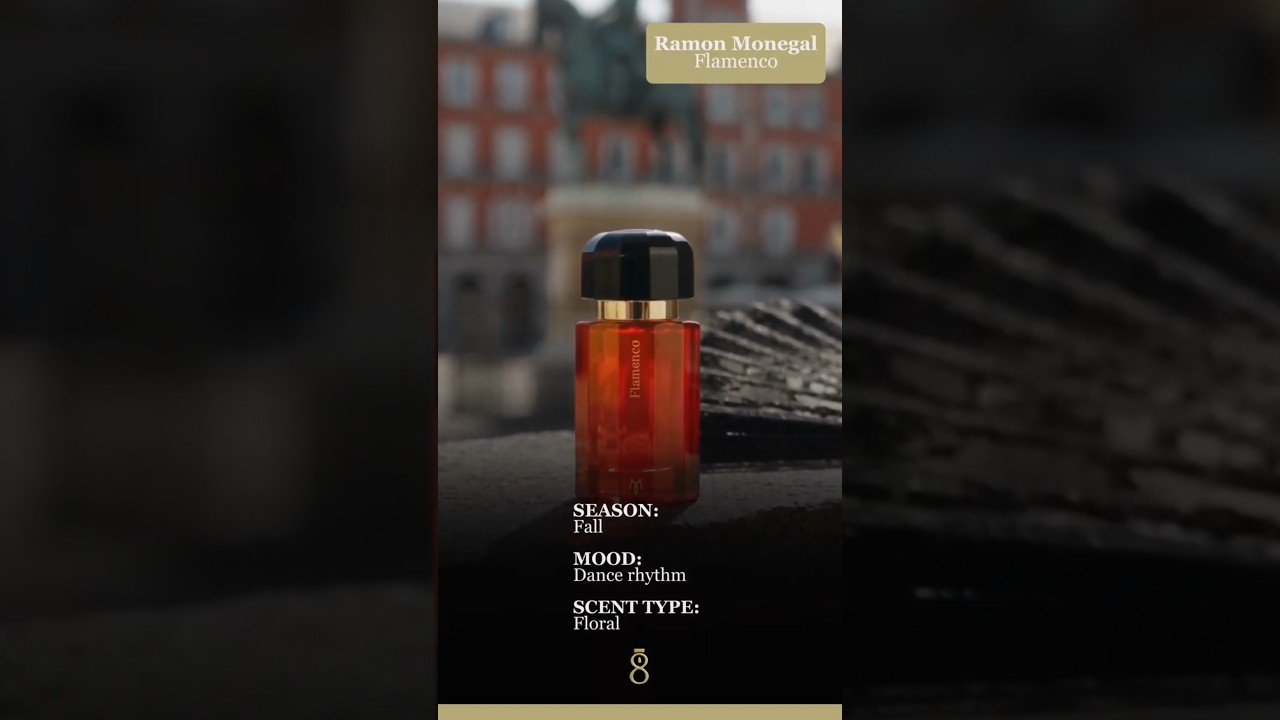
Floral · Ramon Monegal
Flamenco

Raspberry and violet keep the opening fruity and powdery, red rose and jasmine carry the heart, and amberwood closes it warm.
Top NotesRaspberry, Violet, Orris
Heart NotesJasmine, Rosewood, Red Rose
Base NotesMusk, Amberwood, Cedarwood
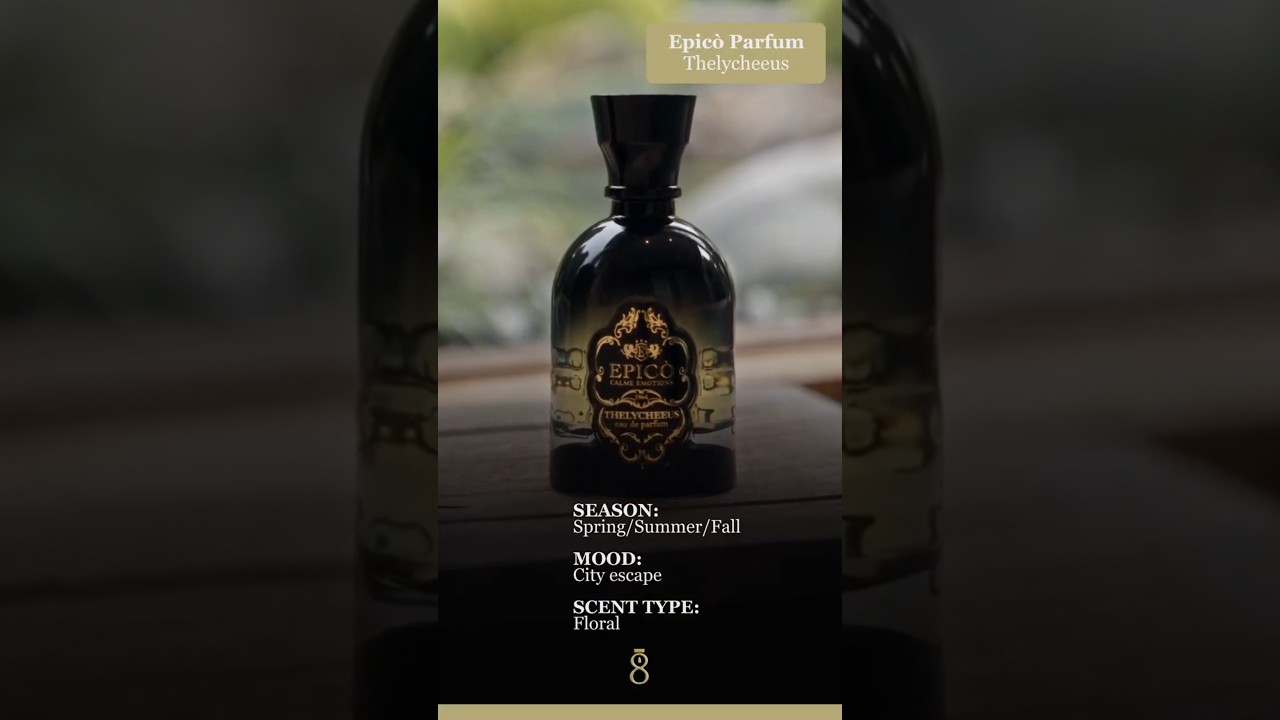
Floral · Epicò Parfum
Vani Charnel

Candied fruit and peach blossom lean the composition toward gourmand territory, with a vanilla caramel base that reads sweeter than most florals on this list.
Top NotesLemon, Fruity Notes, Candied Fruit
Heart NotesPeach Blossoms, White Flowers
Base NotesVanilla Caramel Accord, Benzoin, Musk
Floral · Astrophil & Stella
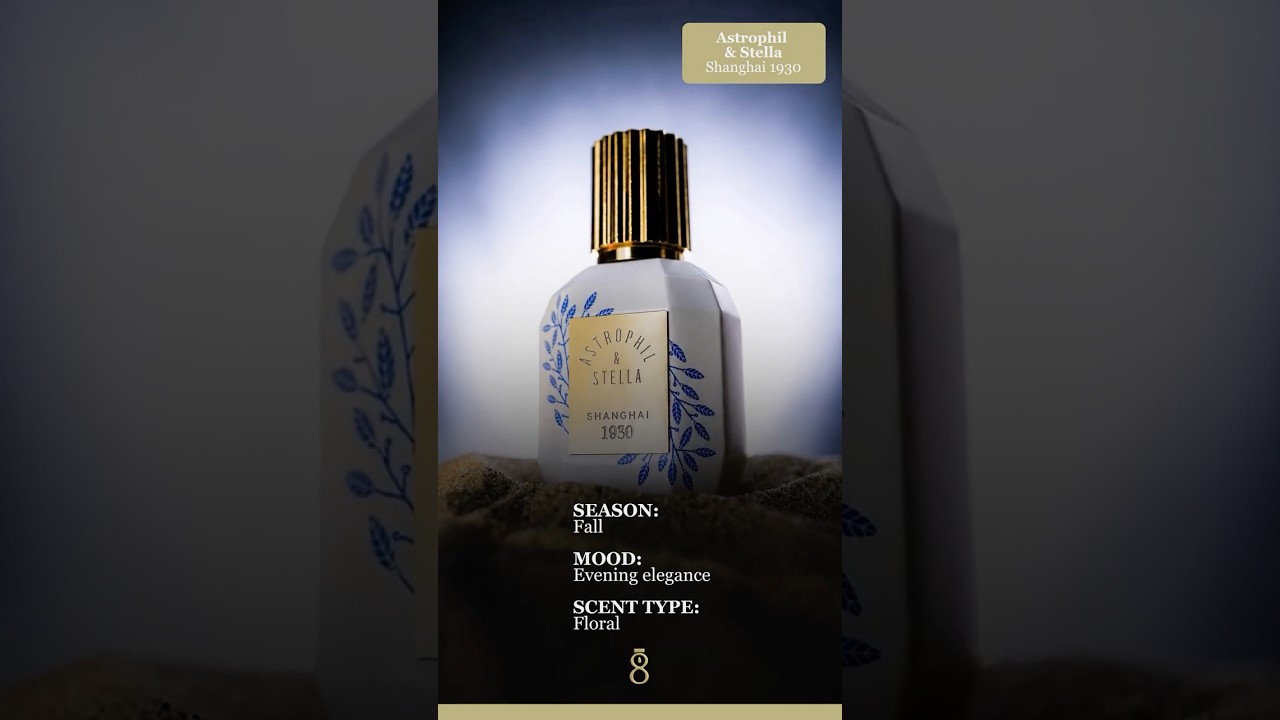
Shanghai 1930

Green tea and plum open it unusually cool for a white floral, before tuberose, champaca, and ylang ylang build a dense, layered heart over sandalwood and myrrh.
Top NotesBergamot, Green Tea, Plum, Mango, Cinnamon, Violet Leaves
Heart NotesTuberose, Champaca, Jasmine Sambac, Magnolia, Ylang Ylang, Orchid
Base NotesSandalwood, Myrrh, White Musk, Tonka, Vanilla
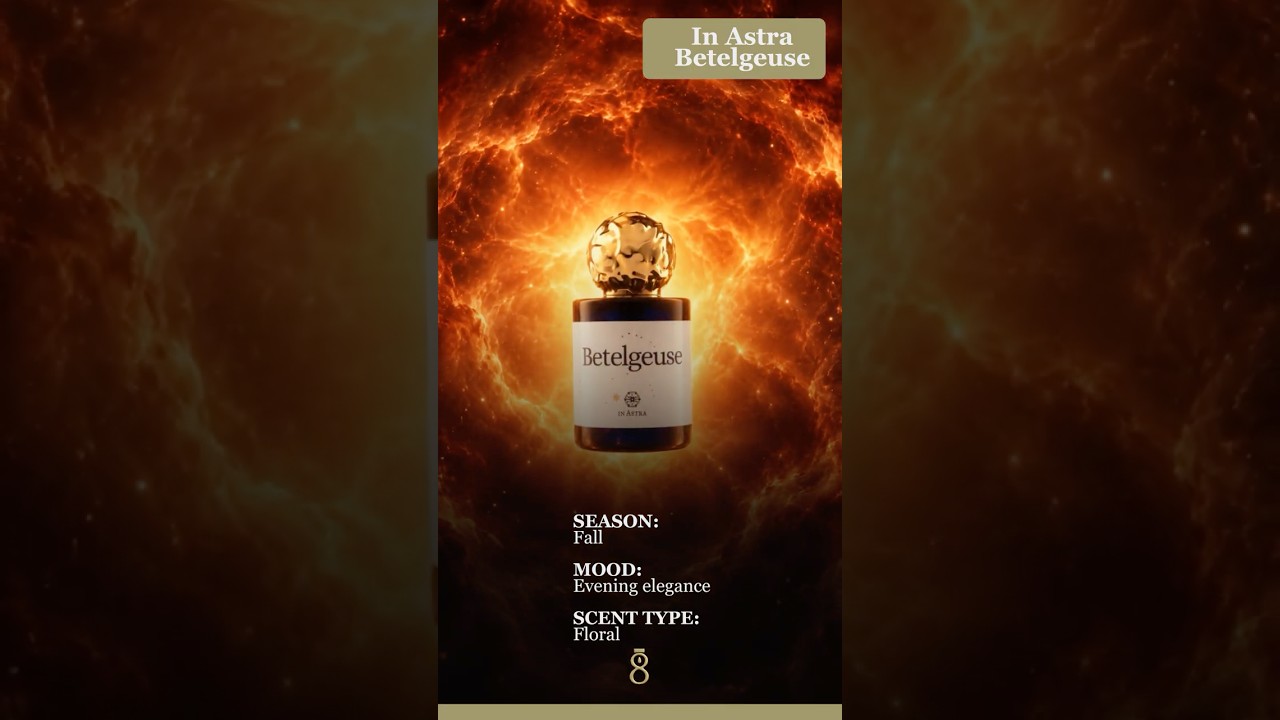
Floral · In Astra
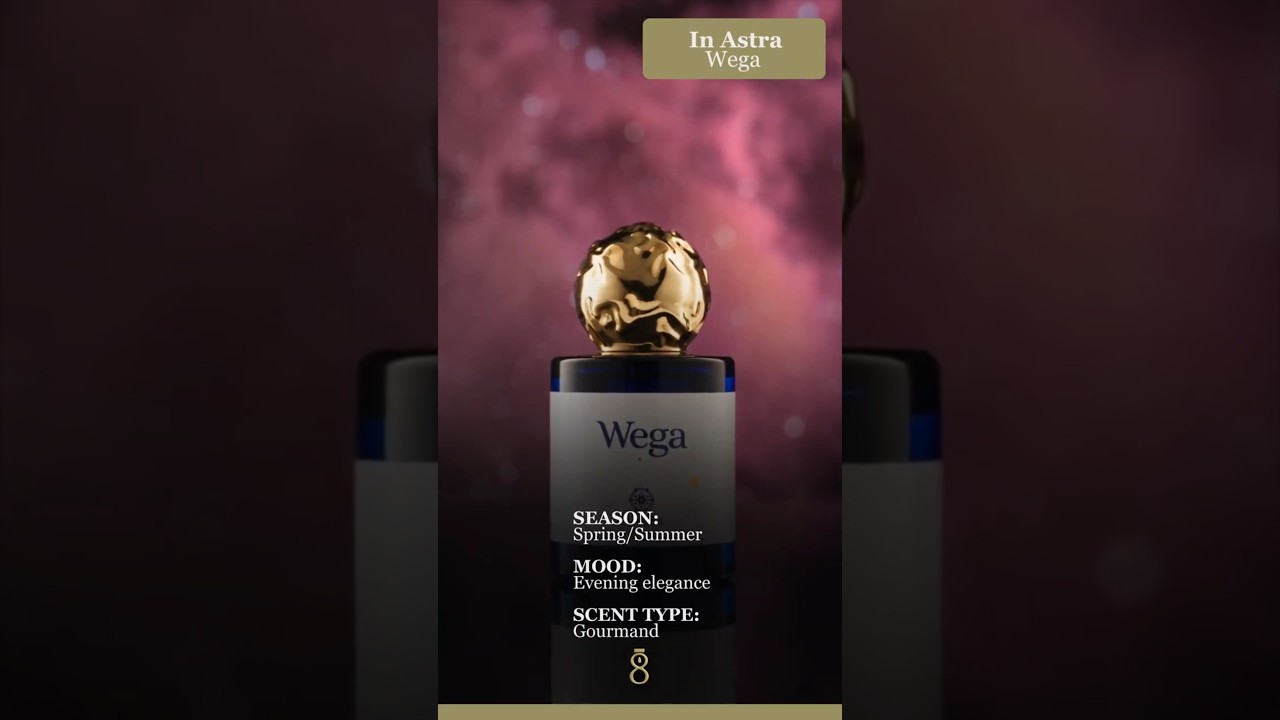
Betelgeuse

Peach blossom and white flowers sit over a caramel and benzoin base, closer to a floral gourmand than a traditional bouquet.
Top NotesLemon, Fruity Notes, Candied Fruit
Heart NotesPeach Blossoms, White Flowers
Base NotesVanilla Caramel Accord, Benzoin, Musk
Floral · Mancera Paris
Instant Crush

Saffron and ginger give the opening some spice before Moroccan rose and Egyptian jasmine settle in, with oakmoss in the base adding a rare mossy edge for a floral this sweet.
Top NotesCitrus Fruits, Saffron, Ginger
Heart NotesRose from Morocco, Egyptian Jasmine, Precious Amber
Base NotesSandalwood, Oakmoss, Vanilla, White Musk
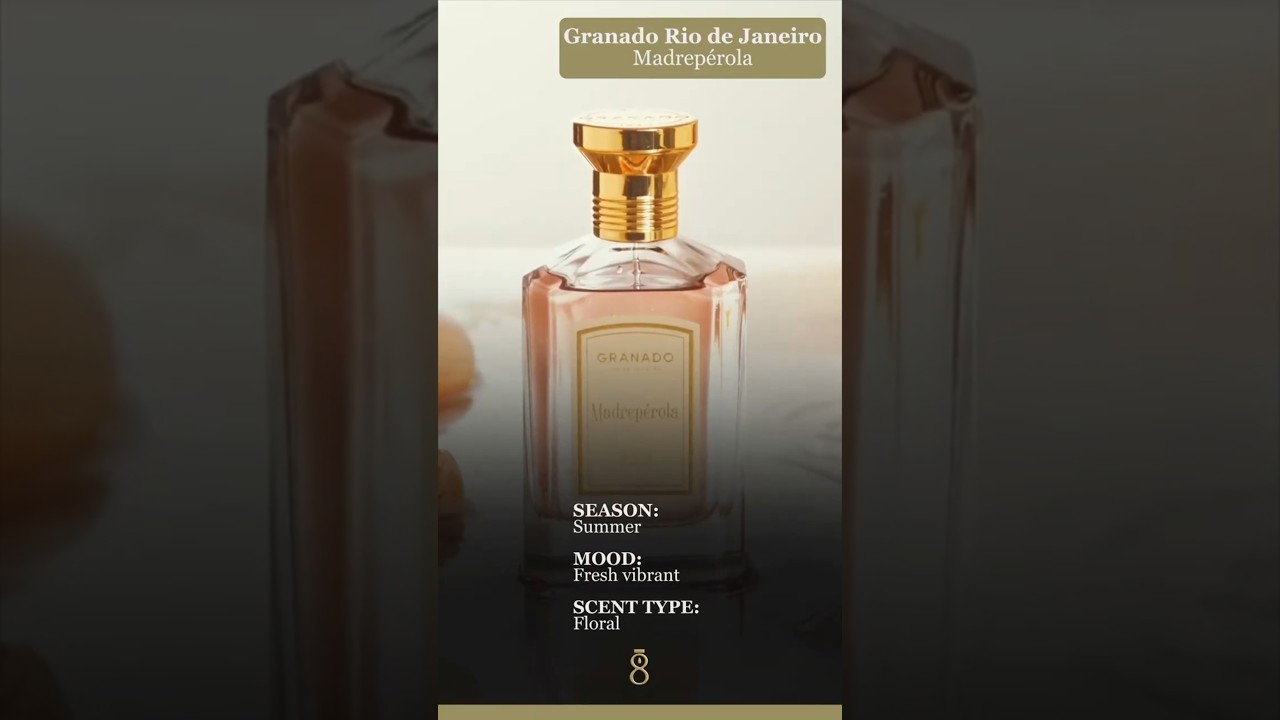
Floral · Granado Rio de Janeiro
Esplendor

Lily, freesia, and peony keep the top light, rose and muguet carry a classic floral heart, and cashmeran in the base adds a soft, musky warmth.
Top NotesLily, Freesia, Peony
Heart NotesRose, Muguet, Benzoin
Base NotesVanilla, Amber, Cashmeran
Floral · Gritti
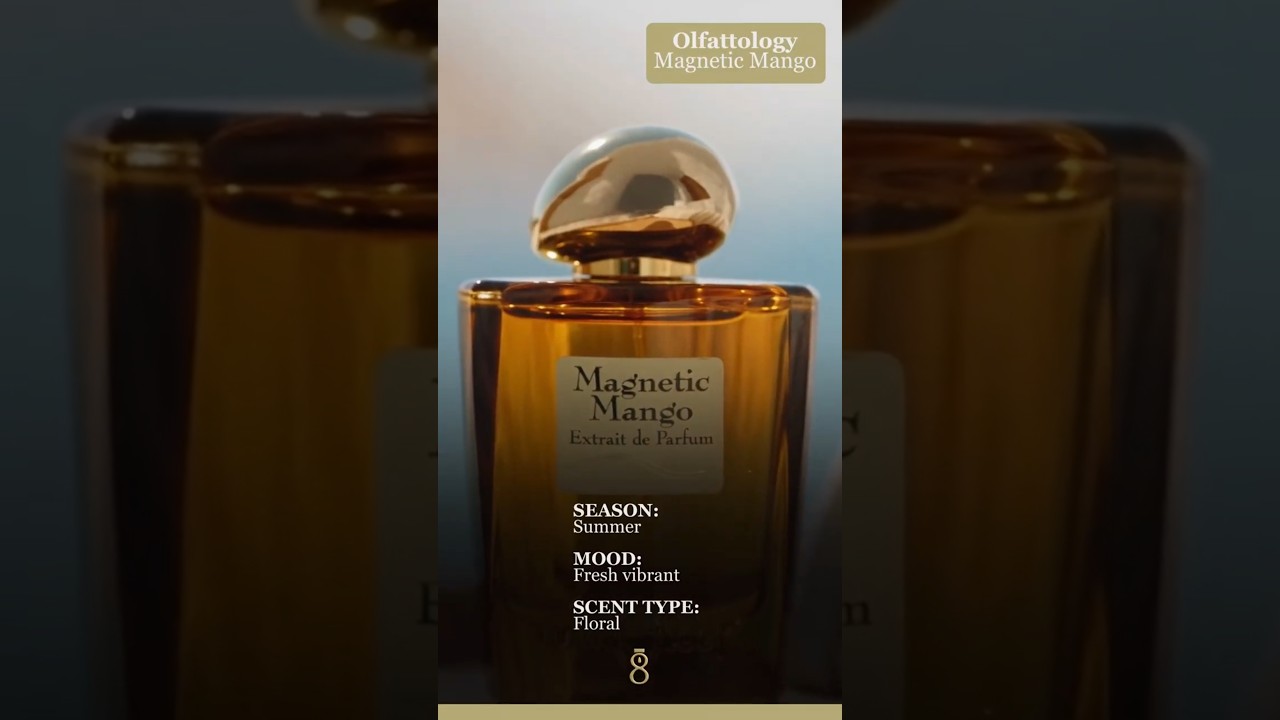
Mango Aoud

Guava and mango open tropical, coconut milk and osmanthus carry a creamy, fruited heart, and oud in the base keeps it from tipping into pure gourmand territory.
Top NotesGuava, Mango, Neroli
Heart NotesOsmanthus, Ylang Ylang, Coconut Milk
Base NotesVanilla, Amber, Oud
Floral · Reinvented Parfums
Sacred Bond

A classic jasmine, gardenia, and rose heart sits over an unusually long base list, saffron and caramel among them, that pushes the finish toward amber rather than musk.
Top NotesMandarin, Bergamot, Raspberry
Heart NotesJasmine, Gardenia, Rose
Base NotesSaffron, Sandalwood, Benzoin, Caramel, Vanilla, White Musk, Amber
Floral · Widian
Sahara

Saffron and orange open warm, rose and orange blossom keep the heart recognizably floral, and cedar in the base adds structure to what could otherwise read as purely sweet.
Top NotesSaffron, Orange, Elemi
Heart NotesRose, Orange Blossom
Base NotesAmber, Musk, Cedar, Vanilla
Reading the Floral Family
Very little connects these fifteen, and that is exactly what makes the floral family so interesting. A creamy milk-and-tuberose composition sits alongside a green, tea-led fragrance. Rose can be dark and layered, while mango, coconut, or vanilla can pull a floral somewhere warmer and more playful.
Once you understand the materials behind the category, it becomes easier to see why "floral" tells you almost nothing about how a fragrance will actually smell. The family is broad enough to hold powder, fruit, spice, woods, musk, sweetness, and even smoke. These fifteen are simply fifteen different ways to explore it.








0 comments