


Fragrance Discovery
The Ingredients That Changed Perfumery Forever
Four materials that changed what perfumers could create, and how their influence still shapes fragrance today.
Most fragrance history gets told through bottles and brand names. The more interesting version runs through raw materials, specific ingredients that showed up at the right moment and permanently changed what perfumers thought was possible. Four of them show up, directly or in spirit, across the fragrances below. Here's why each one mattered, and how a modern composition still carries its influence.
Ingredients That Changed Perfumery
Coumarin
Houbigant Paris
Patchouli Sauvage

Coumarin, extracted from tonka bean and later synthesized in a lab, is arguably the single most consequential material in modern perfumery's history. In 1882, Houbigant used synthetic coumarin in Fougère Royale, widely credited as the first fragrance built around a lab-made aroma chemical rather than purely natural extracts. Modern perfumers still use that warm, slightly hay-like material as an anchor, and Houbigant's Patchouli Sauvage carries tonka bean in its base, a direct link back to the house that started this chapter of fragrance history.
Top NotesBergamot, Grapefruit, Pink Pepper
Heart NotesPatchouli, Labdanum, Dried Fruit Accord
Base NotesCedar Wood, Golden Amber, Vetiver, Tonka Bean
Animalic Musk
New Notes
Musk Complexity
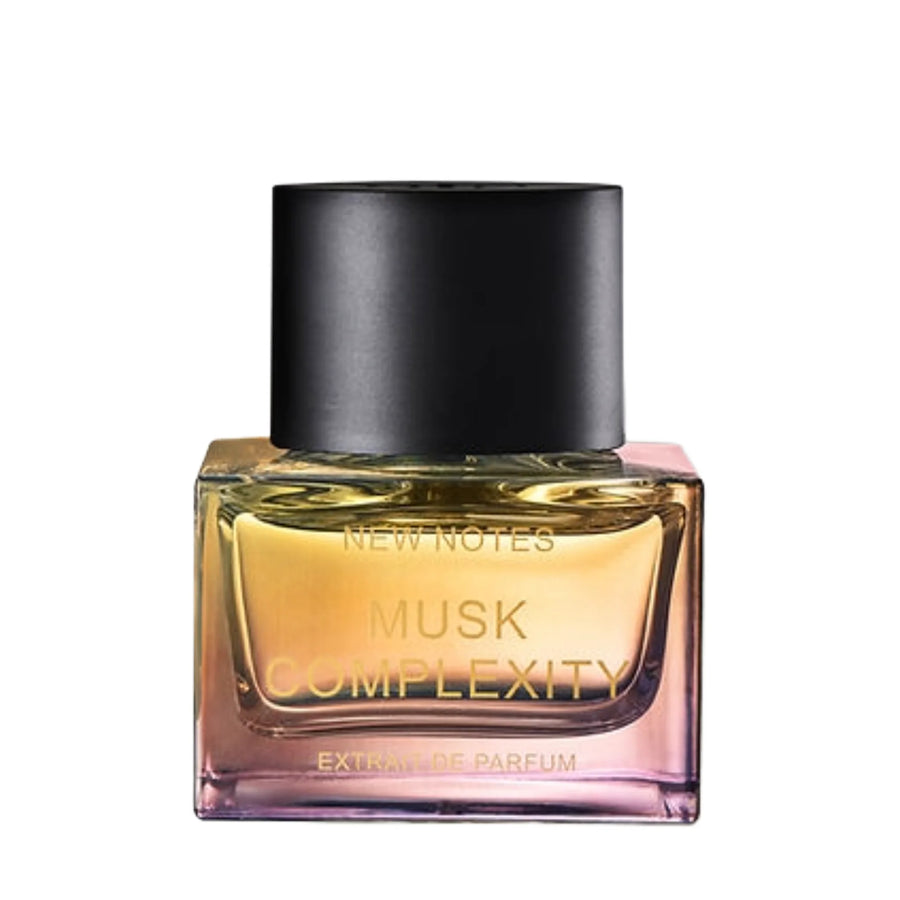
Real musk, harvested from the musk deer, along with civet and ambergris from other animals, gave early perfumery something plant materials could not: warmth that reads as skin rather than flower. Synthetic evolution eventually recreated that effect without the animal source. New Notes' Musk Complexity puts that history directly into the formula, stacking modern musk molecules such as Muscenone, Exaltone, Fixolide, and Civettone beneath spicy ginger, red fruits, chocolate flower, and cardamom. The result shows how a material once sourced from animals became something chemistry could build in a lab.
Top NotesLemon, Bergamot, Spicy Ginger, Petitgrain, Red Fruits, Rhum Accord
Heart NotesChocolate Flower, Jasmine, Labdanum, Cardamom
Base NotesDemerara Sugar, Cinnamon Peel, Patchouli, Guaiac Wood, Sandalwood, Musk, Muscenone, Exaltone, Fixolide, Civettone
Violet
Hind Al Oud
Deep Masa'ey
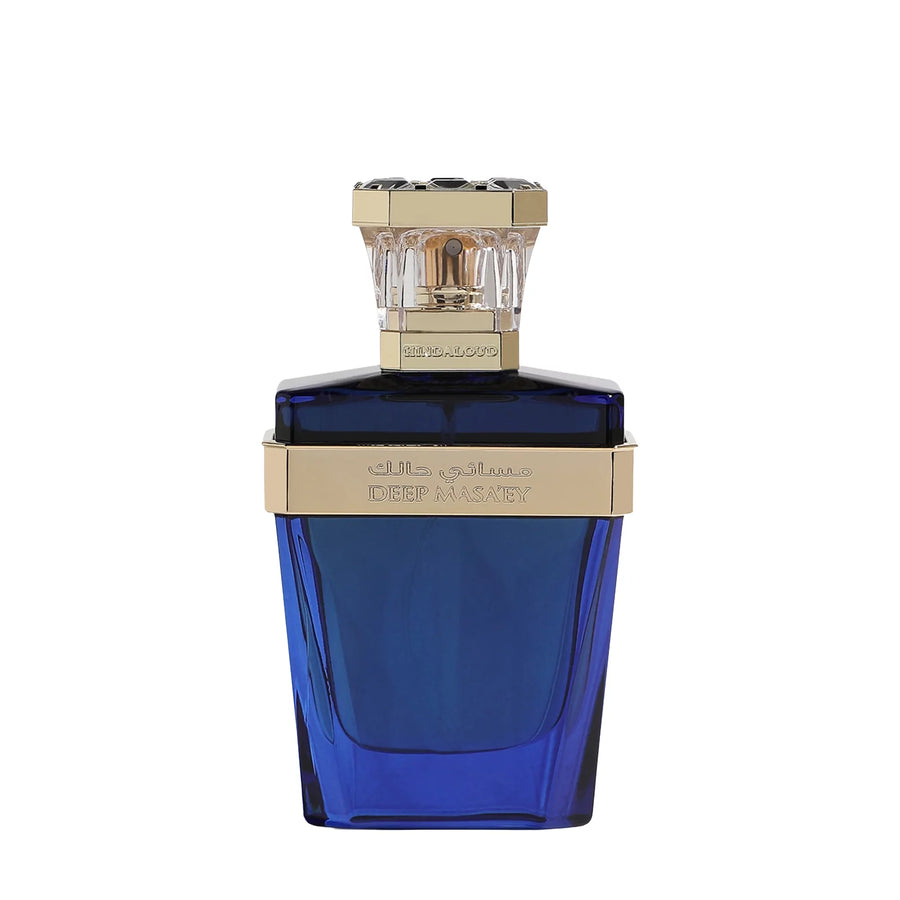
Violet flowers contain almost no extractable essential oil, which meant that for most of perfumery's history, a true violet fragrance simply was not possible from the plant itself. The breakthrough came through ionones, synthetic molecules discovered in the late 1800s that recreated violet's soft, powdery character convincingly enough to launch an entire category of violet-forward perfumes. Hind Al Oud's Deep Masa'ey uses violet at its heart, framed by nutmeg up top and cashmere woods at the base, proof that a note built on 19th-century chemistry still has somewhere to go.
Top NotesNutmeg
Heart NotesViolet
Base NotesCashmere Woods
Why This History Still Matters
None of these four ingredients stayed frozen in the moment that made them famous. Coumarin built an entire fragrance family and is still doing that work in Houbigant's own catalog a century and a half later. Animalic musk went fully synthetic without losing its purpose. Violet exists at all because chemistry rebuilt what nature could not provide. Patchouli spent decades shaking off a reputation it did not choose. Perfumery's history is not a museum. It's a set of tools still being used, just with better technique behind them now.


0 comments